The Science Behind Healthy Weight Loss: Why Rapid Results Don't Always Last
July 9, 2026
Understanding why rapid weight loss often fails can help Jacksonville residents make smarter, longer-lasting decisions about their health. Many people searching for weight loss treatments feel drawn to quick-fix promises, but science tells a more nuanced story. Knowing the biology behind healthy fat loss can be the difference between short-term results and lasting change.
Why Your Body Resists Rapid Weight Loss
Slow, steady progress tends to outperform crash diets over the long run. When the body loses weight too quickly, it can respond by lowering its resting metabolic rate, the number of calories burned at rest. This is sometimes called "metabolic adaptation." The body interprets sharp caloric restriction as a threat and works to preserve energy, making further weight loss increasingly difficult.
Muscle loss is another common side effect of extreme calorie cutting. Muscle tissue burns more calories than fat, so when it breaks down, the body's overall calorie-burning capacity decreases. This can create a cycle where a person regains weight quickly after a crash diet ends.
What Does Sustainable Weight Loss Actually Look Like?
Sustainable weight loss typically involves a gradual, medically guided approach. Most health experts suggest that losing one to two pounds per week may be a realistic and healthier target for most people. This pace tends to preserve lean muscle, maintain metabolic rate, and reduce the risk of nutrient deficiencies.
A few core principles often support long-term success:
- Working with medical professionals who can monitor progress and adjust plans as needed.
- Combining metabolic support with behavioral and nutritional guidance.
- Using evidence-based tools, such as GLP-1 receptor agonists like Semaglutide or Tirzepatide, which work by regulating appetite hormones rather than simply cutting calories.
- Setting realistic goals grounded in individual health history.
Medical spas that offer supervised weight management programs can play a meaningful role in this process by providing clinical oversight that traditional diet programs often lack.
How GLP-1 Medications Support Healthy Fat Loss
GLP-1 medications work by mimicking a natural hormone that signals fullness to the brain. Rather than forcing dramatic restriction, they help recalibrate hunger cues over time. This more gradual approach may allow the body to adapt without triggering the same metabolic resistance seen with crash diets.
Why Medical Supervision Matters
Physician oversight allows for regular dosage adjustments, metabolic monitoring, and lifestyle coaching. Patients often see better long-term outcomes when a licensed provider tracks their response to weight loss treatments and makes evidence-based changes throughout the program.
Weight loss treatments serving Jacksonville, FL, residents are most effective when they are personalized, medically monitored, and focused on sustainable progress rather than dramatic short-term drops.
Take the Next Step Toward Lasting Results in Jacksonville
Ponte Vedra Vein & Aesthetics serves Jacksonville, FL, with a medically supervised weight management program
that uses GLP-1 medications, B-12 injections, and personalized care plans built around each patient's unique health profile. Their approach prioritizes long-term success over quick fixes.
To learn more or schedule a consultation, visit the contact page
or call (904) 280-0600
today. Find Ponte Vedra Vein & Aesthetics
on Google Maps for directions to the nearest location.

Are Med Spa treatments covered by insurance in Jacksonville, FL? Ponte Vedra Vein & Aesthetics explains what qualifies. Request a free consultation.

Compare weight loss treatments in Jacksonville, FL. Ponte Vedra Vein & Aesthetics offers supervised semaglutide & tirzepatide programs. Book a consultation.

Choosing a Med Spa in Jacksonville, FL? Ponte Vedra Vein & Aesthetics explains Florida rules and which treatments require medical supervision. Book today.

Explore weight loss treatments in Jacksonville, FL with Ponte Vedra Vein & Aesthetics. Compare GLP-1 shots, diet plans & more. Call 904-280-0600 today.
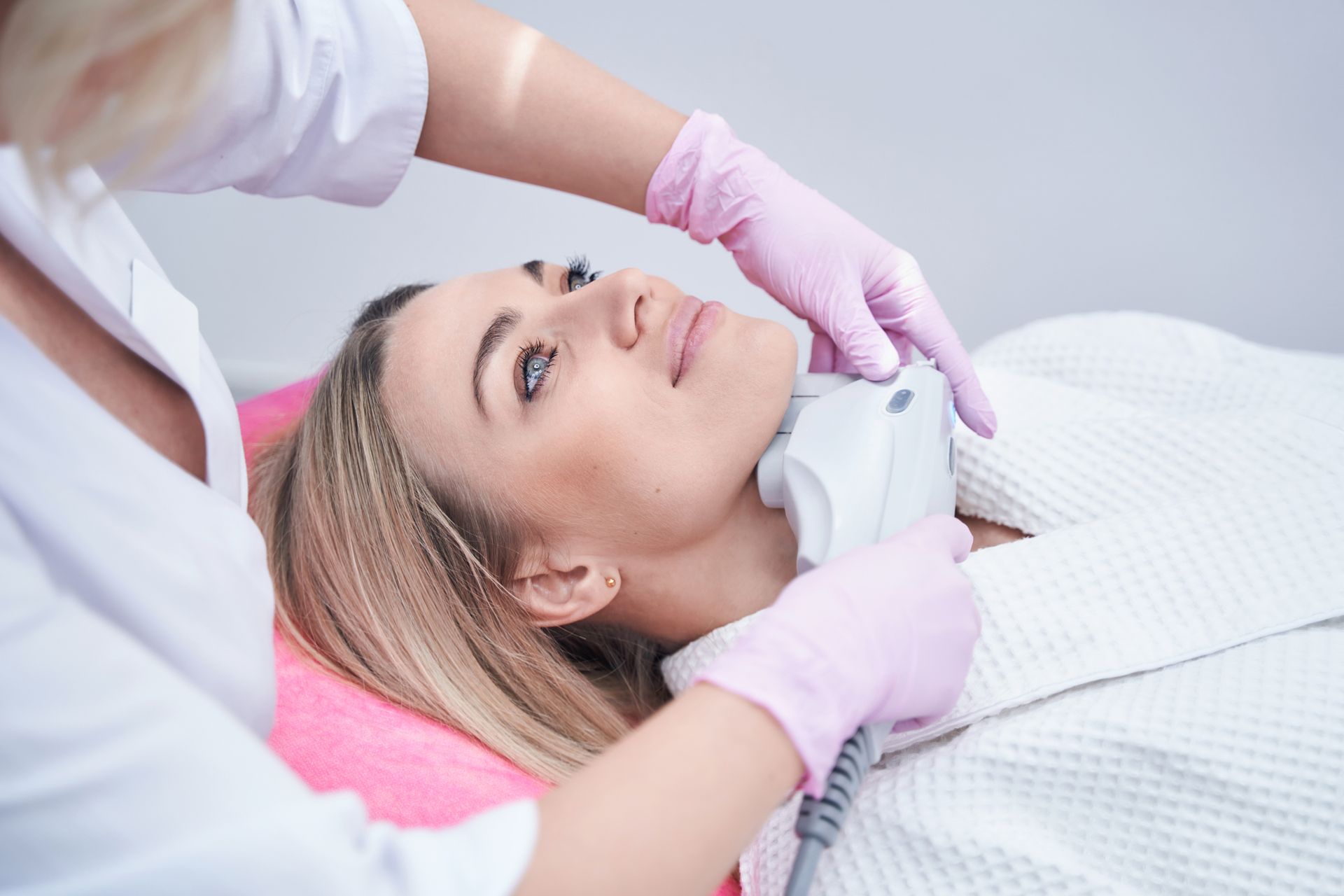
Ponte Vedra Vein Institute provides professional skin tightening in Jacksonville, FL, with advanced tech and surgery options. Click here for more info!
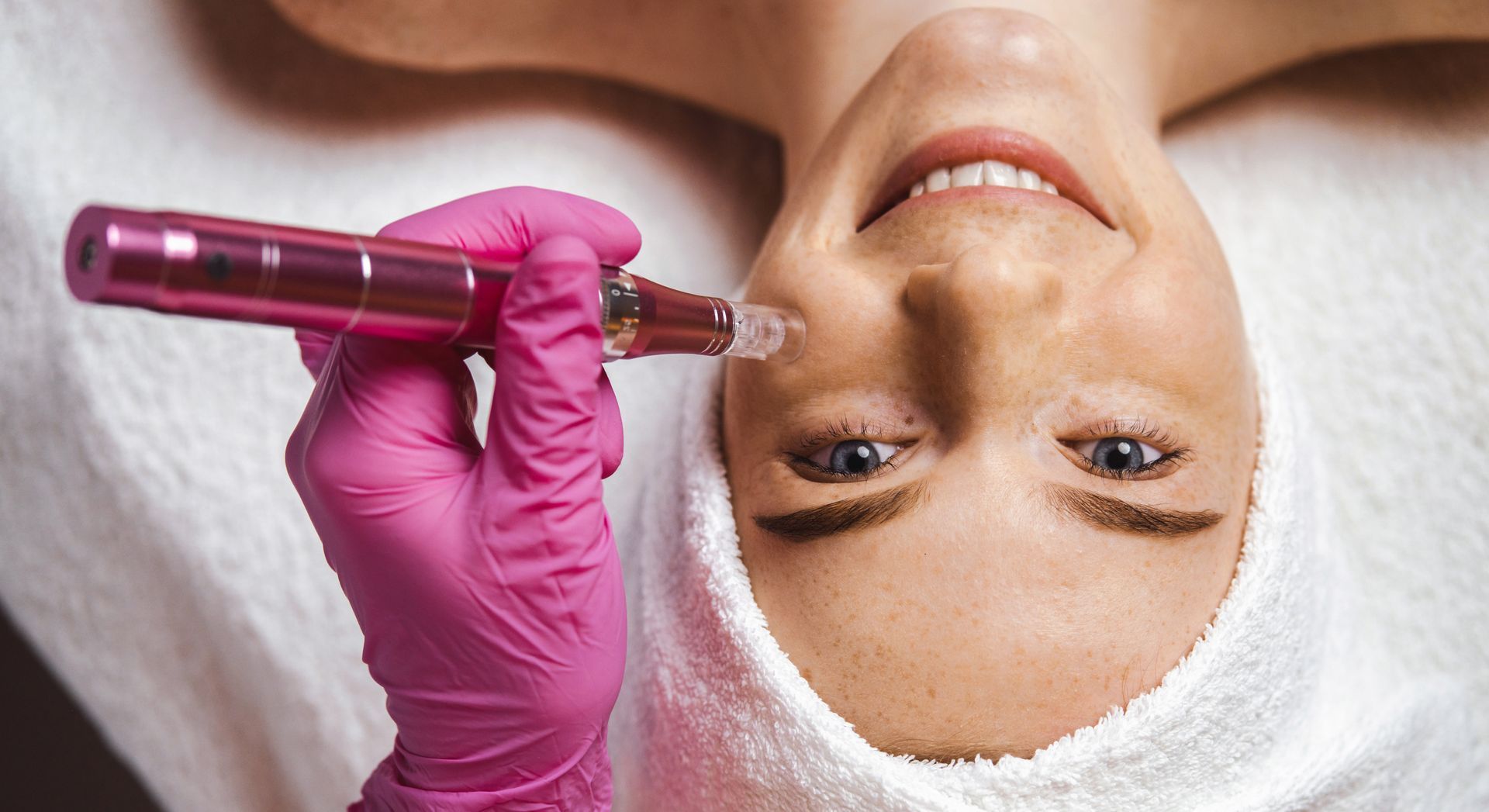
Discover the truth about med spa treatments at Ponte Vedra Vein & Aesthetics. Call 904-280-0600 today to schedule your consultation.
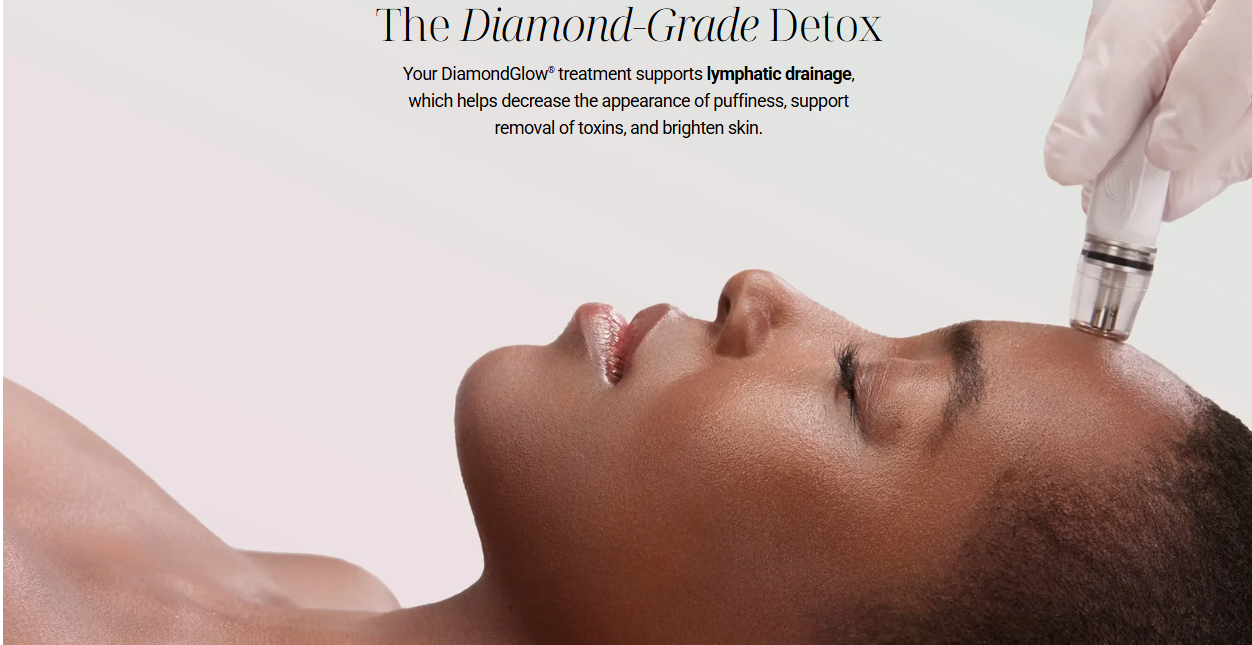
DiamondGlow by SkinMedica in Jacksonville & Ponte Vedra Beach, FL. Exfoliate, extract & infuse customized serums for glowing skin at Ponte Vedra Vein & Aesthetics.
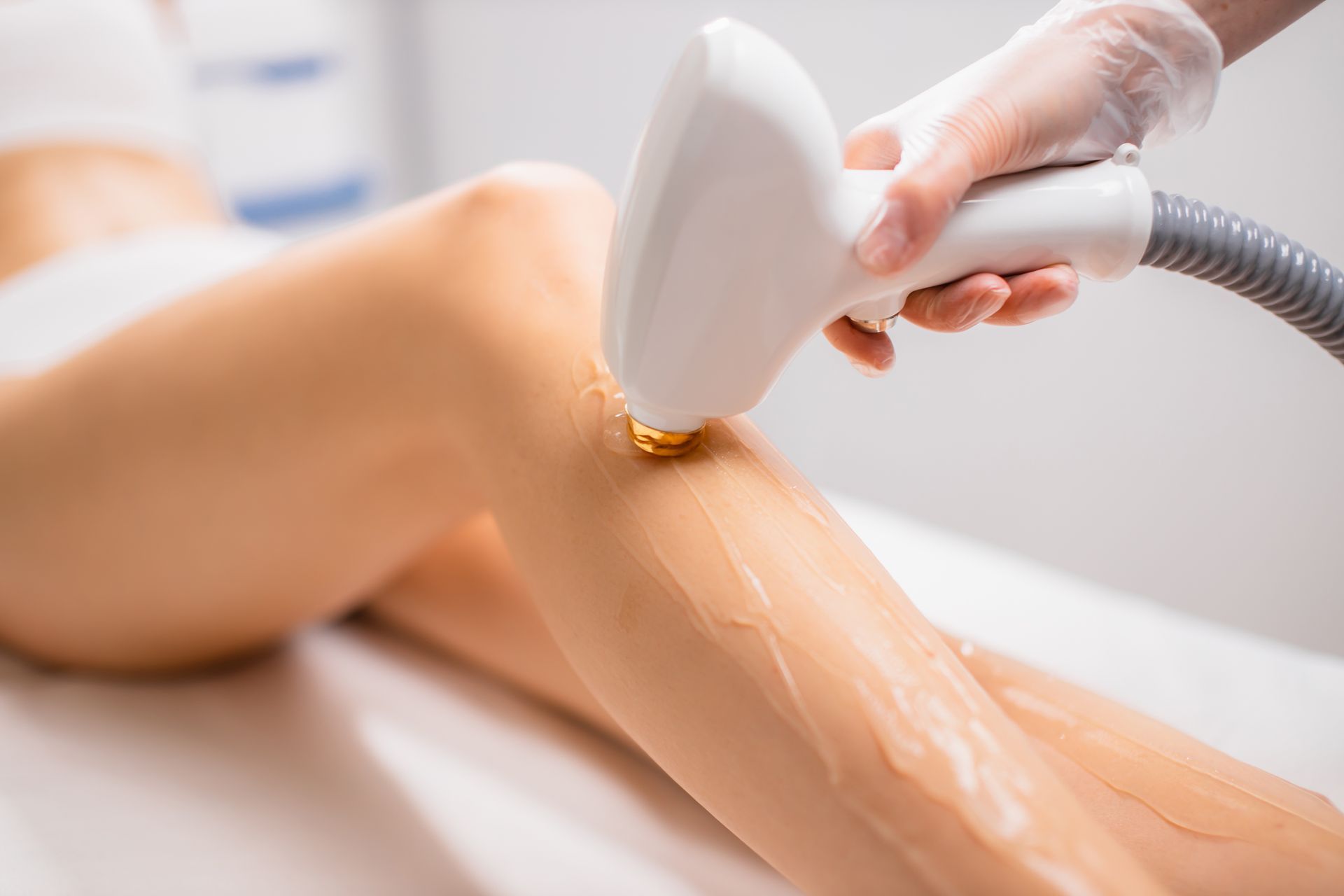
Laser hair removal in Jacksonville & Ponte Vedra Beach, FL. Reduce unwanted hair with long-lasting results at Ponte Vedra Vein & Aesthetics.
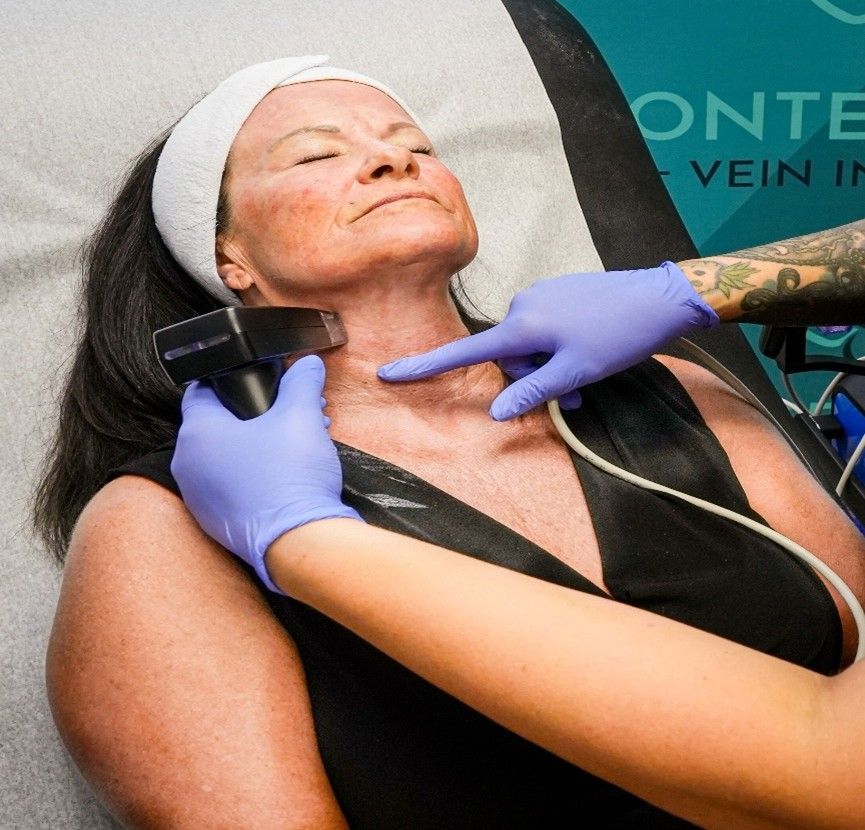
Wondering about med spas vs. day spas? Ponte Vedra Vein & Aesthetics breaks it down. Click here for details and to learn more about med spas in Jacksonville, FL!

Explore non-surgical cosmetic treatment in Jacksonville, FL withPonte Vedra Vein & Aesthetics. Contact us at 904-280-0600 to schedule your consultation.